
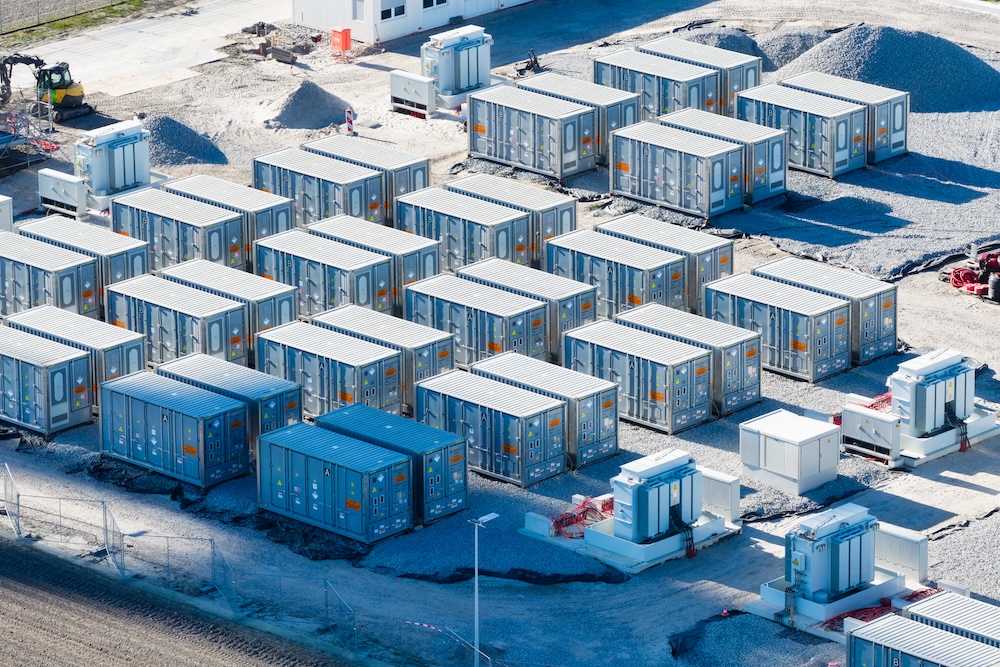
Canada’s energy transition has largely been defined by renewable power generation, but a different part of the electricity sector is beginning to attract significant investment: battery storage.
As more wind and solar projects come online, utilities and private developers are looking for ways to store electricity when production exceeds demand and release it when demand rises. Battery energy storage systems are becoming an increasingly important part of that equation.
The technology has improved rapidly over the past decade.
Modern utility-scale battery projects can respond to changes in electricity demand within seconds, helping stabilize power grids during periods of heavy use. They can also store excess renewable energy that might otherwise go unused.
This flexibility is attracting investors.
Battery storage projects generate revenue in several ways, including supporting grid reliability, reducing peak electricity demand, and participating in wholesale electricity markets. As provinces modernize their electrical systems, developers believe storage will become an essential piece of future infrastructure.
Ontario has become one of Canada’s busiest markets for battery storage development.
The province’s Independent Electricity System Operator has approved multiple large-scale storage procurements in recent years as electricity demand continues to rise. Other provinces are closely watching those developments while evaluating their own long-term energy needs.
The business opportunity extends well beyond utilities.
Engineering firms, construction companies, technology providers, and equipment manufacturers all stand to benefit from increased investment in storage projects. Canadian mining companies may also see indirect demand for minerals used in battery production.
Challenges remain.
Battery systems require significant upfront investment, and project economics depend heavily on electricity market rules and regulatory frameworks. Developers must also address questions surrounding battery lifespan, recycling, and long-term maintenance.
Even so, industry observers increasingly view storage as a necessary complement to renewable energy rather than an optional addition.
As Canada’s electricity demand grows through electrification, artificial intelligence, and data centre expansion, battery storage is becoming less of a future technology and more of a current business opportunity.




