
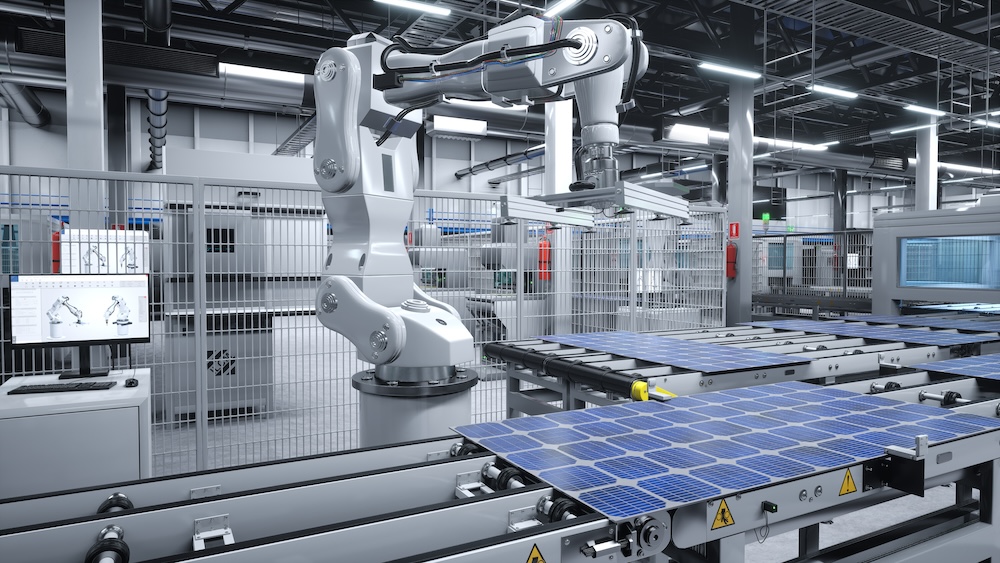
Canadian businesses are continuing to invest in automation as they look for ways to improve efficiency and manage rising operating costs.
Automation can take many forms, ranging from warehouse systems and manufacturing equipment to software that handles repetitive office tasks. While the technology itself is not new, adoption is increasing as companies search for ways to maintain productivity in a more expensive operating environment.
Labour shortages are part of the reason.
In some industries, businesses continue to struggle with hiring and retention, particularly for physically demanding or repetitive work. Automation can help fill those gaps while allowing employees to focus on tasks that require more direct oversight or decision-making.
Cost pressures are also influencing decisions.
Higher wages, supply chain disruptions, and operational expenses have encouraged companies to look more closely at efficiency. Automation is often viewed as a long-term investment that can reduce costs over time, even if implementation requires significant upfront spending.
The shift is occurring across multiple sectors.
Manufacturing and logistics remain major areas of adoption, but automation is also expanding into retail, customer service, and financial operations. Software-based automation tools are becoming especially common because they can often be integrated more quickly than physical systems.
There are still concerns surrounding implementation.
Businesses must balance efficiency gains with training needs and workforce adjustments. Employees may need new skills as operations change, and companies must ensure that technology works reliably before depending on it heavily.
For the broader economy, the trend reflects a push toward productivity.
Canada has faced long-standing concerns about productivity growth compared to other developed economies. Increased automation may help address part of that challenge over time.
The transition is gradual, but it is becoming more visible.
Automation is increasingly being treated as part of normal business planning rather than a specialized technology initiative.