
For much of 2026, the Canadian economic story was dominated by weak growth, trade uncertainty and questions about whether households could continue spending. The latest numbers have complicated that picture.
Canada’s economy expanded at an annualized rate of 3.3% during the second quarter, according to Statistics Canada, its strongest performance since 2023. The rebound followed six months of virtually no growth and exceeded the Bank of Canada’s previous expectations.
Exports helped drive the improvement, but domestic demand also strengthened. That matters because an economy relying entirely on exports can remain vulnerable if global conditions change, while stronger spending and investment at home provide a broader foundation for growth.
The labour market has also improved. Canada added 75,000 jobs in July, bringing the unemployment rate down slightly to 6.4%. Employment increased in wholesale and retail trade, finance and real estate, professional services and construction.
Manufacturing provides another encouraging signal. The sector expanded for a fifth consecutive month in August, with businesses reporting increases in both output and employment.
Taken together, those numbers make Canada’s economy look considerably healthier than it did earlier this year.
The challenge is that much of the data describe conditions before the latest escalation in the trade dispute with the United States.
Washington imposed 50% tariffs on $27.6 billion worth of Canadian goods in August, prompting Ottawa to announce matching countermeasures that took effect September 8. The new tariffs create costs for businesses on both sides of the border and could discourage investment if companies become less confident about future market access.
Global energy prices present another risk. Renewed fighting involving the United States and Iran pushed oil prices higher at the end of August, raising concerns that energy costs could feed another round of inflation.
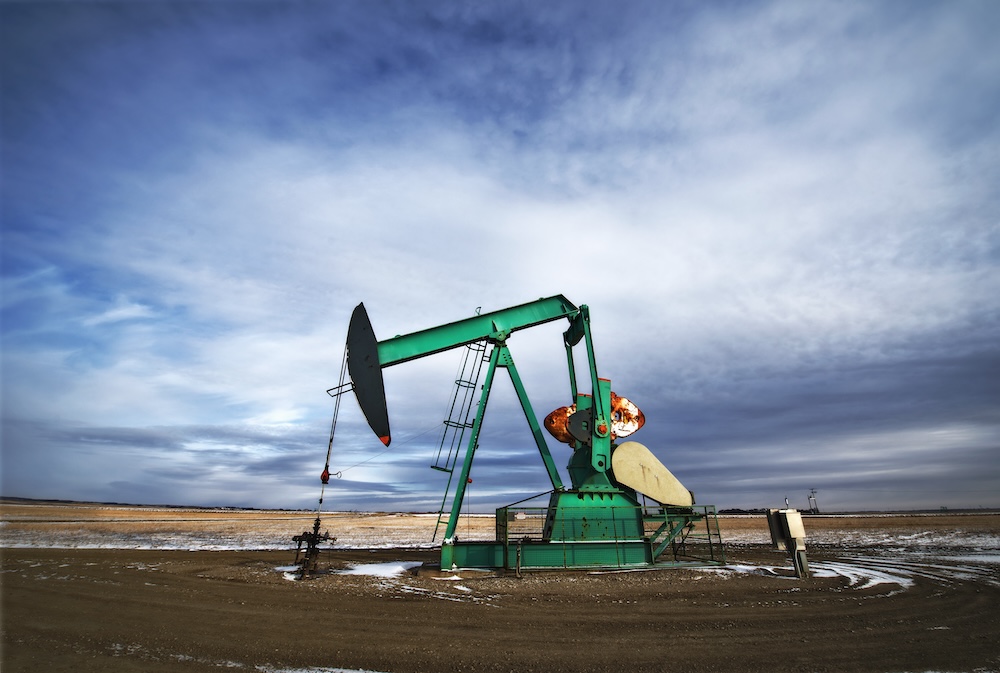
Canada benefits from higher oil prices in some respects because the country is a major energy producer. Alberta and other producing regions can see stronger revenues, while Canadian energy companies benefit from higher commodity prices.
Consumers and businesses elsewhere face the opposite effect when gasoline, transportation and shipping become more expensive.
That combination makes the economic outlook unusually difficult to summarize. Canada has entered September with stronger growth, improving employment and an expanding manufacturing sector, but it is simultaneously facing trade and inflation risks that could weaken that momentum.
For businesses, the numbers still provide reasons for confidence. A growing economy generally supports consumer spending, business investment and demand for workers.
For policymakers, the improvement creates more room to respond if conditions deteriorate later in the year.
The debate about Canada’s economy therefore needs to change. The question is no longer simply whether the country can escape a period of stagnation. The second-quarter numbers suggest it already has.
The more important question is whether Canada can protect that recovery from the new problems arriving just as growth has finally returned.