
The TSX has been showing steady support from one familiar source: commodities.
Recent trading sessions have seen strength in both gold and copper, providing a lift to resource-heavy names and helping the index hold its ground even as broader global markets remain uneven. It’s a pattern that has defined much of the TSX’s recent performance.
Gold, in particular, has been a key driver. As investors navigate uncertainty around interest rates and global growth, the metal has regained its appeal as a defensive asset. That has translated into gains for Canadian-listed gold producers, many of which carry significant weight on the index.
Copper is telling a slightly different story. Rather than acting purely as a defensive play, copper’s rise is tied to longer-term expectations around electrification, infrastructure spending, and supply constraints. For Canadian mining firms with exposure to the metal, that narrative continues to support valuations, even in a more cautious market environment.
Together, these dynamics are helping to offset softness in other areas of the market.
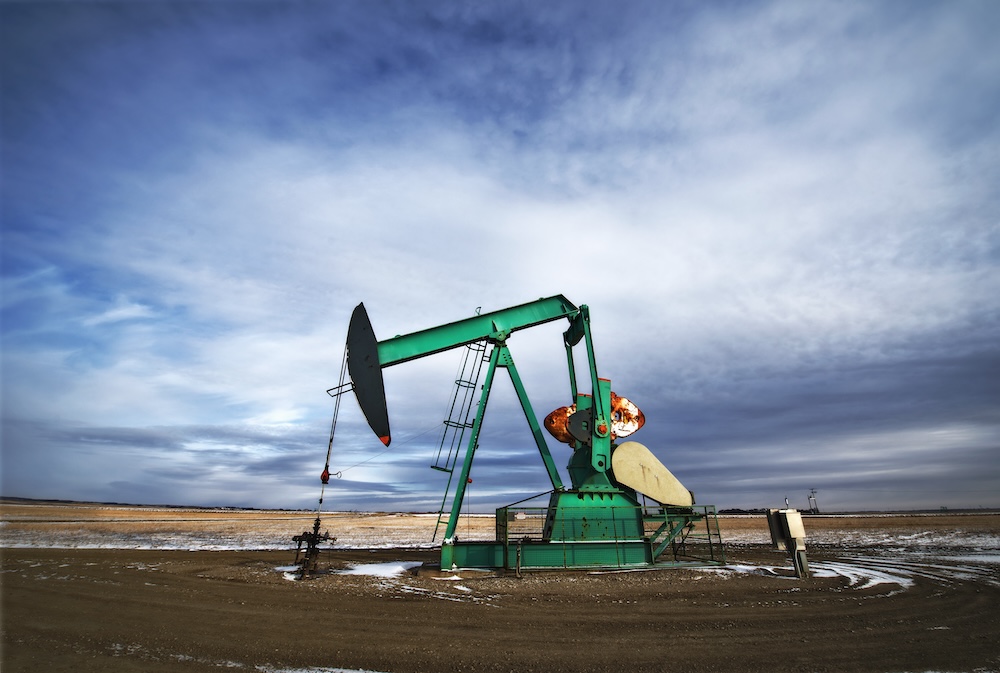
Financials, which make up a large portion of the TSX, have been trading more cautiously as investors assess the outlook for interest rates and consumer credit. Energy names, while still supported by relatively stable oil prices, have not been moving with the same momentum seen earlier in the year.
That leaves commodities doing much of the heavy lifting. For investors, the current environment highlights a familiar characteristic of the TSX: its concentration. The index is not a broad reflection of the Canadian economy so much as it is a weighted exposure to specific sectors, particularly resources and financials.
When commodities perform well, the TSX tends to follow. When they weaken, the effect can be just as pronounced in the opposite direction.
There is also a timing element at play. With global markets still adjusting to shifting expectations around central bank policy, investors are looking for areas with clearer narratives. Commodities (whether as a hedge or a growth story) offer that clarity in a way that some other sectors currently do not. However, that does not eliminate risk.
Commodity prices remain sensitive to global demand, geopolitical developments, and currency movements. A shift in any of those factors could quickly change the outlook. But for now, they are providing a degree of stability at a time when other parts of the market are less certain.
For Bay Street, the takeaway is straightforward. The TSX is once again being shaped by its core strengths and limitations. As long as commodities remain supported, the index is likely to reflect that strength.